
Table of Contents
ToggleThe Invisible Problem of Microplastic Pollution
Ever cleaned out your dryer lint trap and thought, “Huh, where does all this fluff come from?” Or maybe you’ve noticed the fuzz clinging to your clothes after a wash. Seems harmless, right? Just a little laundry byproduct. But here’s the raw truth: a lot of that lint, especially from your synthetic clothes, is part of a massive, invisible problem choking our planet and potentially messing with our health – microplastic pollution.
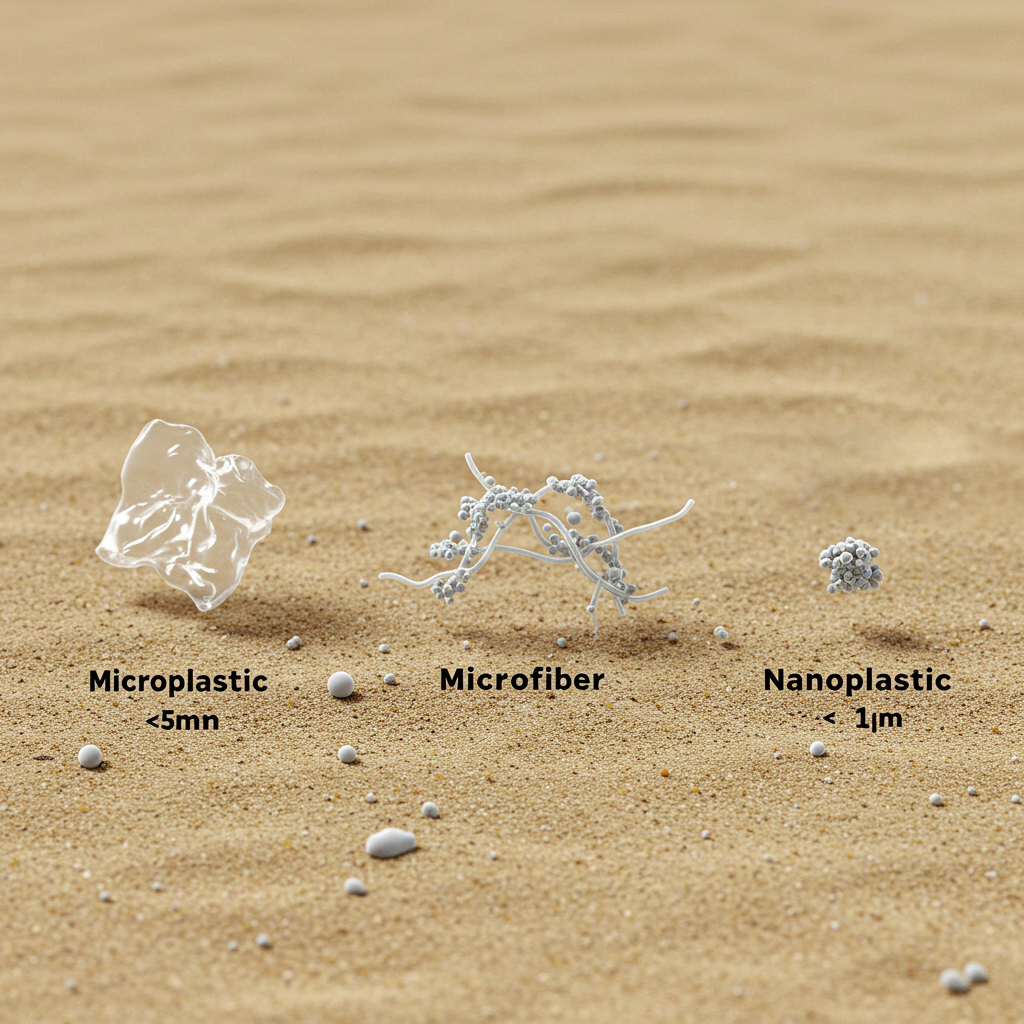
Let’s cut through the crap. What are microplastics? They’re tiny plastic particles, technically anything smaller than 5 millimeters (think a pencil eraser or smaller), but often microscopic. They come from bigger plastic junk breaking down, but also – and here’s the kicker – they’re shed directly from things we use every day.
And the polyester connection? It’s huge. That comfy fleece, those workout leggings, that wrinkle-free shirt – if it’s made of polyester or other synthetic fabrics, it’s shedding tiny plastic fibers like crazy. These microfibers are a major source of this plastic invasion.
So, stick with me. We’re going to get real about how your wardrobe contributes to this mess, what it means for the planet and maybe even your body, and most importantly, what you can actually do about it. No fluff, no filters – just the straight goods on stripping this hidden pollutant from your life where you can.
Understanding Microplastics: More Than Just Tiny Trash
It’s easy to picture plastic pollution as floating bottles and bags. But the microplastic problem is sneakier, more pervasive. Let’s break down these tiny invaders.
What Are Microplastics and Microfibers?
Okay, the microplastic definition is simple: plastic bits under 5mm. But within that, you’ve got different types: fragments, beads, films, and the ones we’re focusing on – microfibers. Think of microplastics as the general category, and microfibers as the specific thread-like plastic bits shed from textiles. These fibers are often the most common type found polluting shorelines and water. And then there are nanoplastics – even tinier particles, less than a micrometer, that raise their own set of concerns.
Scientists talk about primary vs. secondary microplastics. Primary ones are made small – think microbeads that used to be in face scrubs (thankfully banned in many places now) or industrial pellets. Secondary microplastics are the result of bigger plastic crap breaking down due to sun, waves, and general wear and tear – bottles turning into fragments, for example.
The microfibers shedding from your polyester clothes? They’re generally considered secondary microplastics because they’re breaking off a larger item (your shirt). Some call them primary because they’re released small, but the point is, they come from something bigger.
Where Do Microplastics Come From?
So, where is all this microscopic plastic junk originating? The sources of microplastics are depressingly varied. Yes, plastic bottles breaking down, car tires wearing away on the road, even city dust contribute. But a massive chunk – estimates often hover around 35% of primary microplastics polluting our oceans – comes directly from washing synthetic textiles. Let that sink in. Over a third of this specific type of ocean plastic pollution comes from doing laundry. Your clothes. Our clothes. It’s a sobering reality check.
The Polyester Problem: How Your Wardrobe Sheds Microfibers
Alright, let’s zero in on the main culprit in our closets: polyester. It’s everywhere, it’s cheap, it’s durable… and it’s constantly shedding tiny plastic bits.
Polyester Fabric Shedding Explained
Why does polyester shed so much? It comes down to its structure. Polyester, chemically known as PET (polyethylene terephthalate), is the king of synthetic fibers, making up over half the global fiber market. It’s popular because it’s tough, cheap, and doesn’t wrinkle easily. But those very fibers, especially in fabrics like fleece or knits, aren’t locked in super tight. Friction and stress – from wearing, washing, drying – cause these fibers to break off. This polyester fabric shedding is a constant, low-level release of microplastics.
Microfiber Release During Washing: The Laundry Cycle Link

Laundry day is prime time for microfiber release during washing. The washing machine acts like a torture chamber for fabrics. The tumbling, the water, the detergent – it all works together to loosen and break off fibers. We’re talking potentially hundreds of thousands, even millions, of fibers from a single wash load.
One estimate? A 6kg load of acrylic could release over 700,000 fibers. Polyester fleece is another notorious shedder.
Several factors influence this shedding nightmare:
- Washing Machine Type: Those old-school top-loaders with the central agitator? They’re brutal, potentially releasing up to seven times more fibers than front-loaders. High-efficiency top-loaders are better, but front-loaders generally win for gentleness.
- Wash Cycle Settings: Hot water might increase shedding for some fabrics, though studies conflict. Colder, shorter, gentler cycles are generally your best bet for reducing shedding – one study showed a gentle cycle cut shedding by about 70%. More water volume (smaller loads) also seems to increase shedding, so washing full loads is smarter.
- Detergent Type: The jury’s still out on detergent type impact (powder vs. liquid). Some studies suggest detergents increase shedding, maybe due to chemical abrasion. Others find no significant difference compared to water alone. Liquid might be slightly less abrasive, but the evidence isn’t conclusive.
- Fabric Age: New clothes often shed like crazy in the first few washes as loose manufacturing fibers come off. Shedding might stabilize later, but old, worn-out fabrics can also shed significantly if their structure is breaking down.
Shedding During Wear: The Hidden Contributor
Think the washing machine is the only problem? Think again. Microfiber shedding from wearing clothes is a huge, often overlooked, issue. Simple friction and fiber release happen as you move, as fabric rubs against your skin, furniture, or other clothes.
One eye-opening study actually compared wear vs. wash shedding for polyester. Their estimate? You could be releasing more microfibers into the air just by wearing your clothes (over 900 million per person per year) than you release into the water by washing them (around 300 million). Just 20 minutes of activity could shed hundreds of fibers per gram of fabric. This means laundry filters are only catching part of the problem, and designing fabrics that don’t shed easily is even more critical.
Don't Forget the Dryer Lint

And that lint trap we talked about? While it catches some fluff, dryer lint microplastics are also released into the air through the vent. Tumble drying can spew out a significant amount of fibers, potentially even more than washing, contributing directly to air pollution. Another reason to embrace the clothesline when you can.
Microplastics Everywhere: Mapping the Environmental
This isn’t just a laundry room problem. These tiny plastic fibers are now found literally everywhere on Earth, creating widespread microplastic contamination (water, soil, air).
Microplastic Contamination in Oceans and Waterways
This is where a lot of the focus has been. Laundry wastewater carries millions of fibers down the drain. Even though wastewater treatment plants catch a lot (sometimes over 90%), the sheer volume means billions still get discharged daily into rivers, lakes, and eventually, the microplastics in oceans.
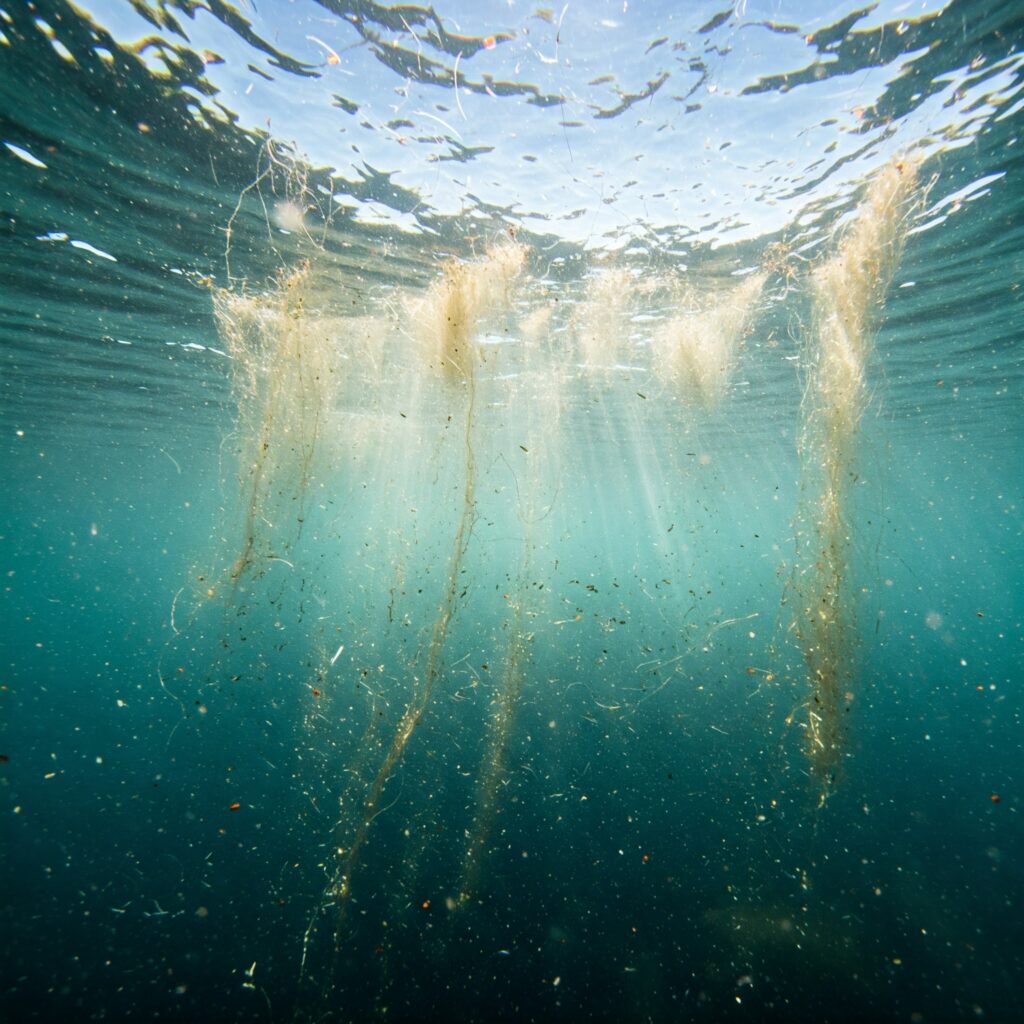
Estimates suggest over 14 million tonnes might already be sitting on the ocean floor, with hundreds of thousands of tonnes added each year just from textiles. This microplastic accumulation has devastating impact on marine life. Animals from tiny plankton to whales mistake these fibers for food. Ingesting them can cause blockages, starvation, and internal damage. It’s a direct pathway for food chain contamination.
Microplastics Found in Soil and Agriculture
It’s not just the water. Microplastics in soil and agriculture are a growing concern. One major route? Sewage sludge from treatment plants, loaded with captured microfibers, is often used as fertilizer, spreading the plastic directly onto farmland. Landfills are another source. This means potential uptake by crops and another route into our food.
Microplastics in the Air We Breathe (Indoor and Outdoor)

Yes, you’re likely breathing plastic fibers right now. Air pollution from microfibers is real, especially indoors. Household dust and microplastics go hand-in-hand, with fibers shedding from clothes, carpets, and furniture. Wearing clothes and using dryers releases fibers directly into the air. These airborne fibers can travel long distances, explaining why microplastics are found even in remote Arctic snow.
Potential Health Concerns: Why Microplastic Exposure Matters
Okay, so this plastic crap is everywhere. But does it actually harm us? The research on microplastics in the human body and their long-term health effects uncertainty is still evolving, but the picture emerging isn’t pretty. Here’s the breakdown of potential risks.
Human Exposure Routes: How Microplastics Get In
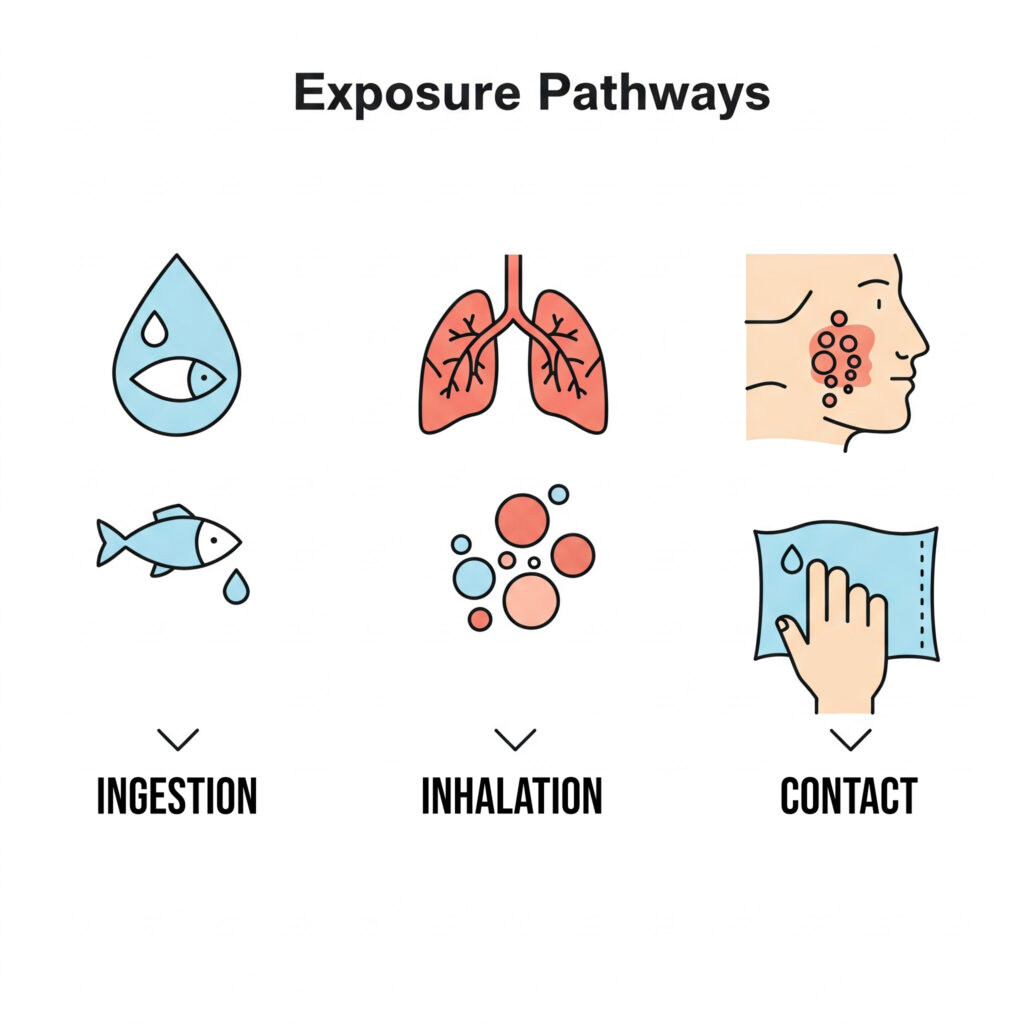
We’re getting hit from multiple angles:
- Ingestion of microplastics (food, water): This is likely the biggest route. It’s in contaminated seafood (especially shellfish where you eat the gut), salt, honey, beer, tap water, and bottled water (often worse!). Plus, dust settling on food or leaching from plastic packaging. Estimates suggest we might be swallowing thousands, maybe even a credit card’s worth, of plastic particles each week.
- Inhalation of microfibers: We breathe in airborne fibers constantly, especially indoors where dust collects. Wearing clothes contributes directly to this.
- Dermal contact/skin absorption: Less understood, but skin contact with clothes, dust, or contaminated water is constant. Whether significant amounts can get through the skin is debatable, but irritation is possible.
Potential Respiratory Health Risks
Breathing in fibers isn’t great for your lungs. Studies on textile workers exposed to high levels of synthetic dust show links to respiratory health risks (inflammation, asthma, lung damage) like interstitial lung disease (scarring), reduced lung capacity, and chronic cough. Microplastic fibers (PET, PP) have been found deep in human lung tissue, even in cancerous samples. Lab studies suggest exposure could cause inflammation, fibrosis, and oxidative stress. Components leaching from nylon fibers have been shown to mess with lung cell development and repair. The cancer risk concerns are there, though direct proof in the general population is lacking, and one study even found a weird inverse link for general textile dust (maybe fiber type matters a lot). Overall, the evidence suggests microplastics are “suspected” to harm lung function and cause injury/inflammation.
Gastrointestinal and Gut Health Impacts
Swallowing plastic isn’t doing your gut any favors. Potential gut health impacts (inflammation, microbiome disruption) include inflammation, damage to the gut lining (leading to “leaky gut”), messing with your crucial gut bacteria balance, and oxidative stress. Systematic reviews say exposure is “suspected” to cause structural damage, inflammation, and immune issues in the gut. There’s even a suggested link between fiber exposure and the severity of Inflammatory Bowel Diseases (IBD) like Crohn’s and ulcerative colitis, and potentially colon cancer risk.
Microplastics as Toxin Carriers
Here’s where it gets extra nasty. Microplastics act like tiny toxic sponges.
- Leaching Additives: Plastics aren’t pure. They’re loaded with chemicals added during manufacturing – plasticizers like phthalates (for flexibility), BPA (in some plastics), flame retardants, dyes, etc. These aren’t always locked in and can leach out, especially with heat or wear. Nylon fiber leachate has been shown to harm lung cells. Many of these leached chemicals are known endocrine disruptors.

2. Adsorbing Pollutants: As they float around in polluted water or soil, microplastics soak up environmental toxins like POPs (persistent organic pollutants) like PCBs, pesticides (DDT), heavy metals, and PAHs. Their high surface area-to-volume ratio and often hydrophobic surface properties facilitate the sorption of pollutants such as polychlorinated biphenyls (PCBs),
polycyclic aromatic hydrocarbons (PAHs), pesticides (like DDT), and heavy metals. Weathering of the plastic can alter its surface properties and sorption capacity. When animals (or potentially humans) ingest the plastic, these hitchhiking toxins can be released into their system.
So, you get a double whammy: the physical particle and a cocktail of chemicals it carries or releases. This makes microplastics as toxin carriers a major concern.
Concerns about Endocrine Disruption
This is a big one, tied directly to those leaching and adsorbed chemicals. Endocrine disruption from microplastics/additives means messing with your hormones. Chemicals commonly associated with plastics like BPA, phthalates, PFAS, and flame retardants are known EDCs. Studies (mostly animal/lab) show microplastics and their chemical buddies can interfere with the crucial hypothalamic-pituitary-thyroid (HPT), -gonadal (HPG), and -adrenal (HPA) axes. This could lead to thyroid problems, fertility issues (lower sperm quality, ovarian problems), developmental abnormalities, and even neurotoxicity. The evidence is strong enough that exposure is “suspected” to harm sperm quality and ovarian follicles.
Other Potential Health Risks (Acknowledge Uncertainty)
The research is still unfolding, but other potential red flags include immune system effects, evidence of microplastics crossing into the bloodstream and reaching organs, widespread inflammation, and even acting as transport for pathogens. Some studies even hint at links to cardiovascular issues and anxiety (in mice). Again, much of this is based on lab/animal studies, and the long-term health effects uncertainty for humans at typical environmental levels is real. But the warning signs are flashing.
Increased Vulnerability for Children
This is where the alarm bells ring loudest. Risks for children and infants are likely higher. Why?
- Higher Exposure: Kids breathe more relative to their size, have higher metabolisms, and engage in constant hand-to-mouth behavior, plus crawling on dusty floors. Studies show higher PET concentrations in infants than adults.
- Developing Systems: Their organs, immune systems, and metabolic pathways are still under construction, making them potentially more sensitive to toxic insults.
- Prenatal Exposure: Microplastics have been found in human placentas, meaning exposure starts before birth. Chemicals like phthalates and BPA linked to plastics are known to cause developmental problems.

This heightened vulnerability makes reducing exposure, especially for kids, a critical priority.
What Can You Do? Practical Steps to Reduce Your Microplastic Footprint from Clothing
Feeling overwhelmed? Don’t be. Knowledge is power, and action is the antidote to anxiety. While we can’t eliminate microplastics overnight, we can take steps to drastically reduce our own contribution, especially from our clothes. It’s about taking back control, one laundry load, one purchase at a time. Here’s how to reduce microfiber shedding and make smarter choices:
Wash Synthetic Clothes Smarter, Not Harder
You don’t need to stop washing your clothes, just do it smarter:
- Wash Less Frequently: Seriously, does that shirt really need washing after one wear? Air it out. Spot clean. Each wash sheds fibers, so cutting back is the easiest win.
- Use Cold Water & Gentle Cycles: Hot water and aggressive cycles beat up fabrics, causing more shedding. Go cold, go gentle. It’s better for your clothes and the planet. Gentle cycles can cut shedding by ~70%.
- Consider Microfiber-Catching Laundry Bags or Filters: These are real tools you can use now.
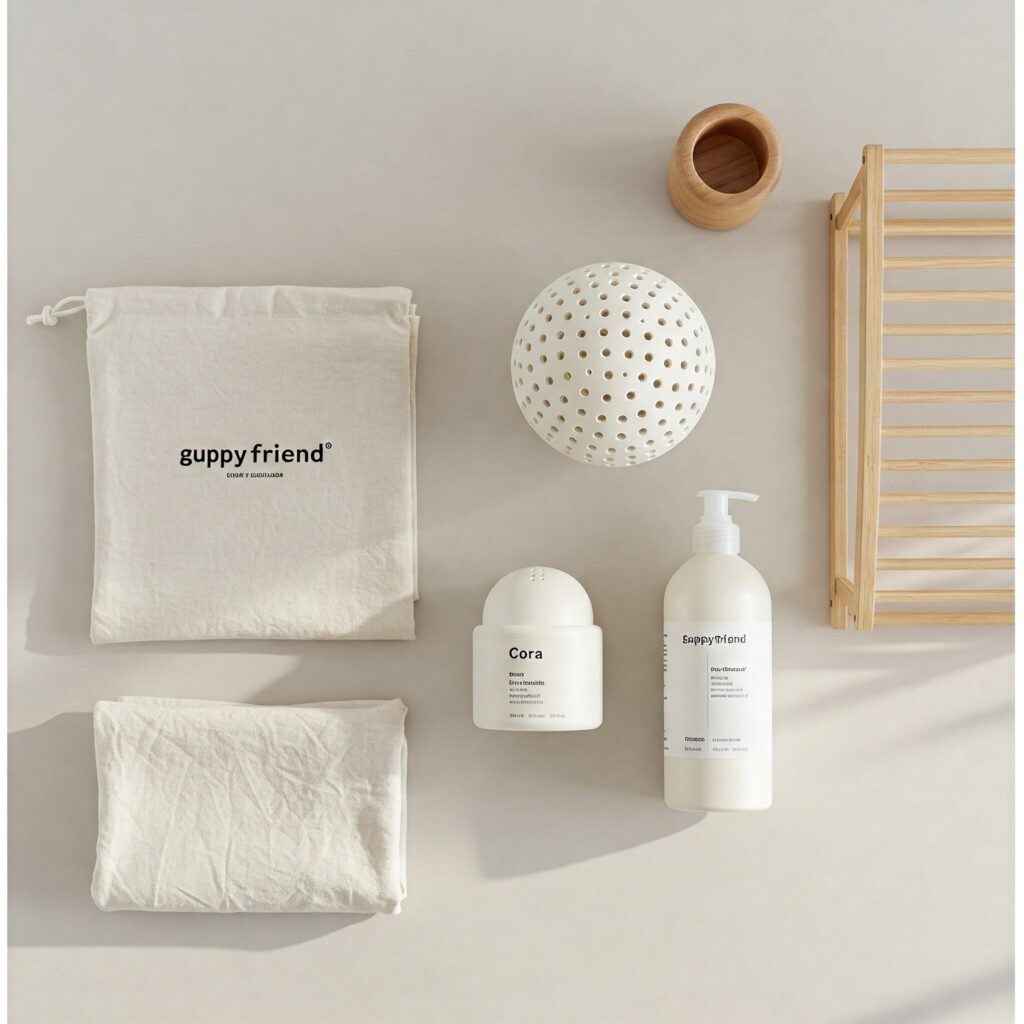
- External Filters (e.g., Lint LUV-R, Filtrol 160, PlanetCare): These attach to your washer’s outlet hose and can catch up to 87-90% of fibers. They need installation and cleaning (dump the lint in the trash!), but they’re highly effective.
- Washing Bags (e.g., Guppyfriend): Zip your synthetics inside this fine mesh bag. It traps fibers shed inside the bag. Effectiveness varies (studies show 39% to manufacturer claims of 86%). Easy to use, no install, great for renters. Just remember to clean the lint out (into the trash!).
- Laundry Balls (e.g., Cora Ball): Toss this in the drum to physically snag fibers. Studies show lower effectiveness (~26%). Some users report it doesn’t work well or snags clothes.
- Choose Liquid Detergent Over Powder (Potentially): The evidence is mixed, but some think liquid detergent might be slightly less abrasive than powder. Worth considering if you’re optimizing.
- Air Dry Instead of Machine Drying When Possible: Dryers spew fibers into the air. Line drying or using a rack avoids this completely and saves energy.
Choose Natural Fiber Alternatives Whenever Possible
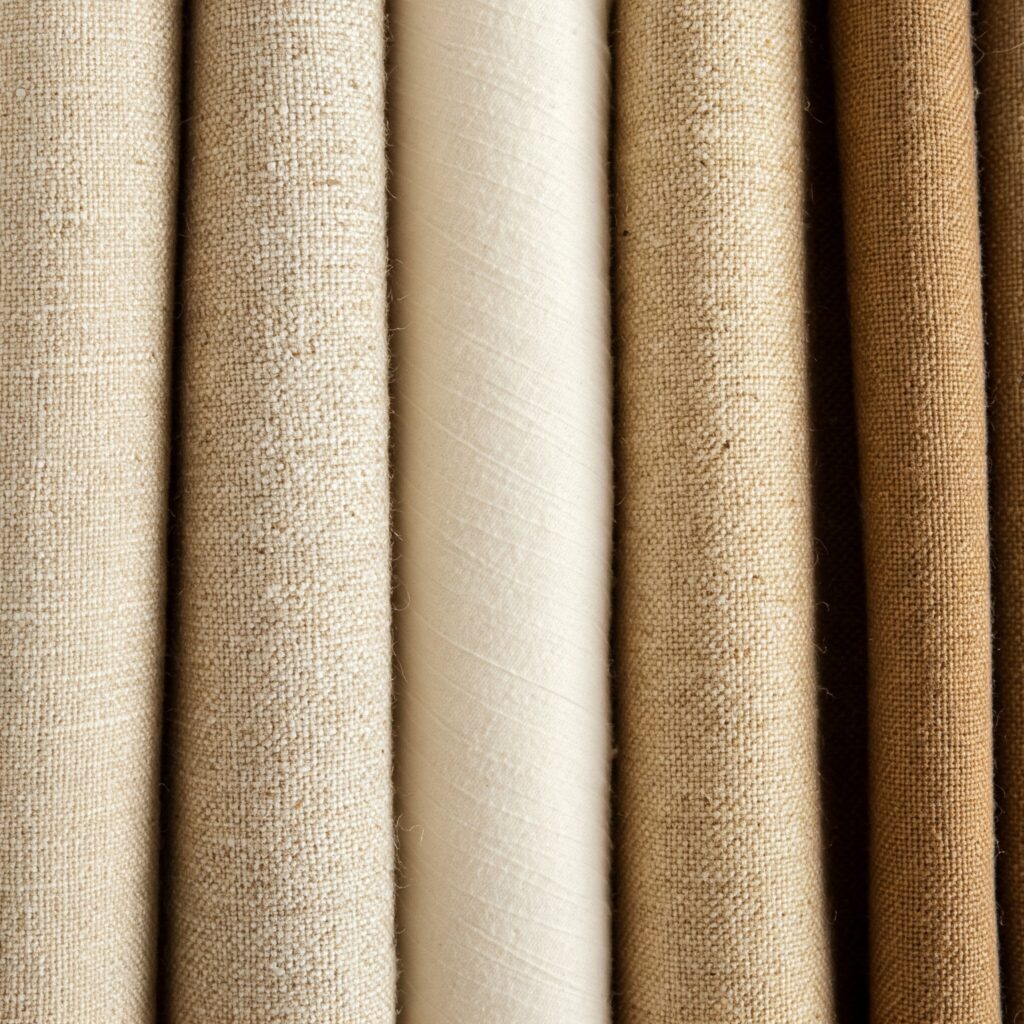
This is a big one. Choosing natural fiber clothing means opting for materials that biodegrade instead of sticking around as plastic pollution for centuries.
- Benefits: Biodegradability, often more breathable, no plastic shedding.
- Common Natural Fibers: Look for Organic Cotton, Linen, Hemp, Wool, Silk. Check the label!
- Affordability: Yes, some natural fibers can be pricier. But you have options! Thrifting is your best friend – find amazing quality natural fiber pieces secondhand. Look for sales. And check out budget-friendly brands known for natural fibers like Pact, Kotn, Quince, Everlane, Fair Indigo, and some pieces from Boden or Known Supply. Focus on quality basics that last.
Be Aware of Recycled Polyester (rPET)
Recycled polyester (rPET) sounds great – turning plastic bottles into clothes! It uses less energy than virgin polyester and keeps bottles out of landfills. BUT, it doesn’t solve the shedding problem. In fact, the recycling process can weaken fibers, and some studies show rPET might shed more microfibers than virgin polyester. There are also concerns about potentially higher chemical concentrations from the original bottles or recycling process. It’s better than virgin plastic, maybe, but it’s not a free pass.
Support Transparent and Sustainable Brands
Vote with your wallet. Choose brands that are open about their materials and practices.
- Look for certifications: GOTS (Global Organic Textile Standard) ensures organic fibers and responsible processing (environmental and social). OEKO-TEX Standard 100 certifies that the final product is tested free of harmful chemicals. These aren’t perfect, but they’re good signals.
- Prioritize natural materials: Support brands actively choosing organic cotton, linen, hemp, etc.
- Demand transparency: Ask brands about their shedding tests (if any) and supply chains.
Reduce Overall Consumption: Buy Less, Choose Well
This cuts across everything. The fast fashion’s role in pollution is undeniable – churning out cheap, disposable clothes fuels waste and microfiber shedding.
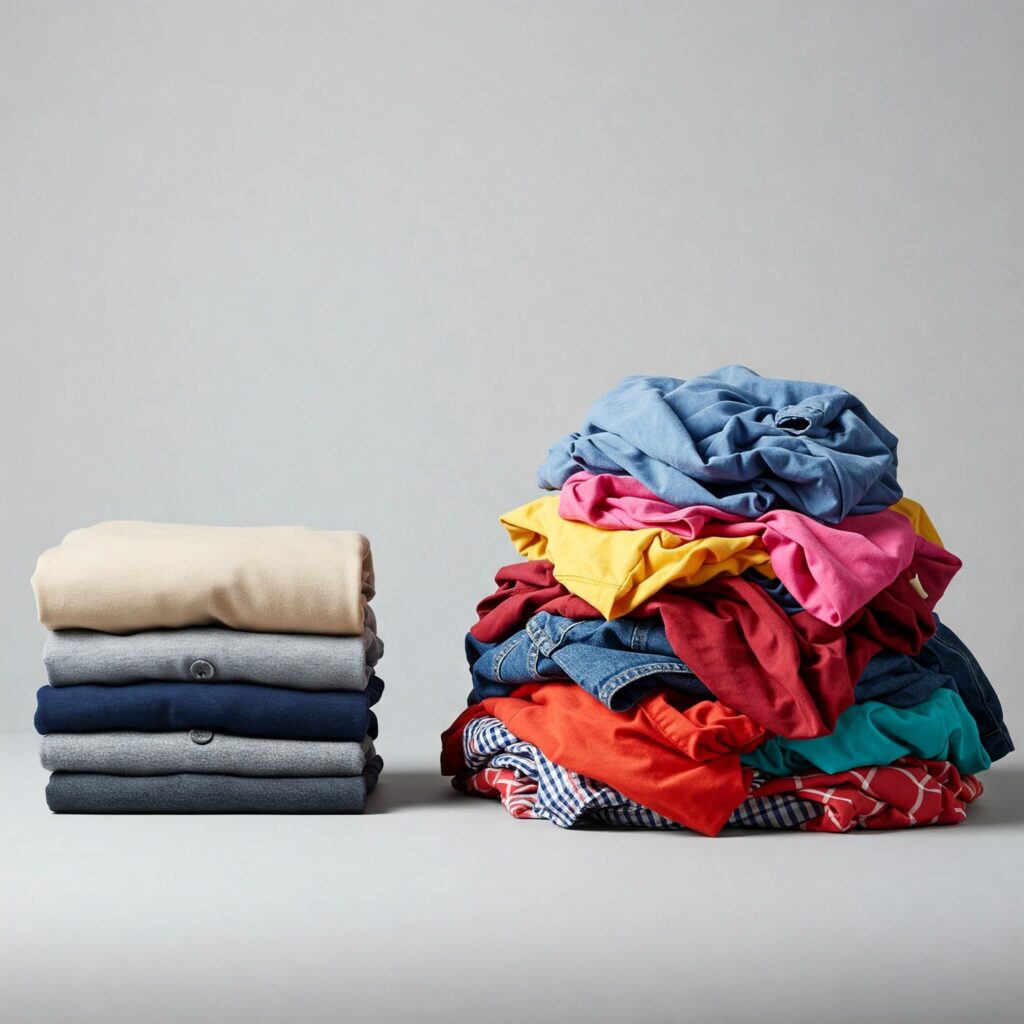
- Emphasize quality over quantity: Invest in pieces you love and that will last. Sustainable fashion choices often start with simply buying less.
- Repair and care for what you have: Extend the life of your clothes.
Dealing with Microplastic Anxiety: Finding Balance
Reading all this, it’s easy to feel freaked out. Microplastic anxiety / Eco-anxiety is real. Knowing this invisible plastic crap is everywhere – in our water, food, air, even our blood – is enough to make anyone stressed.
Acknowledge the Overwhelm: It's Okay to Feel Concerned
First off, your feelings are valid. It is overwhelming. It is concerning. Pretending it’s not doesn’t help. The sheer ubiquity means complete avoidance is impossible right now. Don’t beat yourself up for that.
Focus on What You Can Control
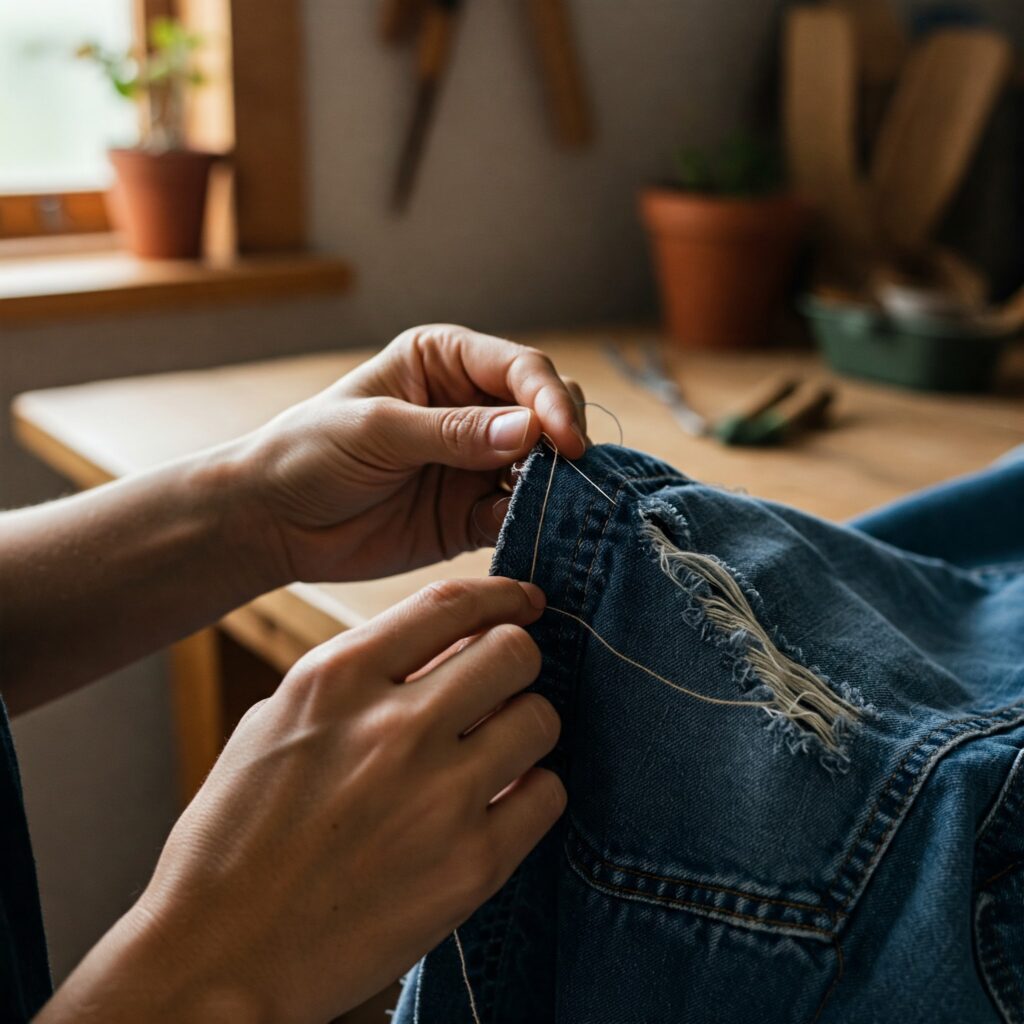
This is key. Feeling powerless sucks. But you do have power in your choices. You can’t single-handedly clean the oceans, but you can change your laundry habits.
You can choose to buy a linen shirt instead of polyester. You can prioritize natural fibers for things that get heavy use or are close to sensitive skin, like kids’ clothes or bedding.
Focus your energy where you can make a tangible difference in your own life and footprint. Consumer awareness and action starts with you.
Strive for Progress, Not Perfection
Don’t let the anxiety paralyze you. Aiming for perfection is a recipe for burnout. Every small step matters. Using a Guppyfriend bag is better than not. Washing cold is better than hot. Buying one less fast-fashion item is a win. Balance your concerns with your overall well-being. Stress itself isn’t healthy either. Do what you can, consistently, and trust that collective small actions add up to big change.
Conclusion: Weaving a Less Plastic Future, One Thread at a Time
Let’s wrap this up, raw and real. Our love affair with cheap, convenient synthetic textiles, especially polyester, has a dark side: massive microfiber pollution. These tiny plastic threads are shedding constantly, contaminating our water, soil, and air, impacting wildlife, and raising serious questions about our own health due to physical presence and the chemical additives in polyester they carry. The textile industry impact is undeniable.
But remember – knowledge is power, and action is empowerment. You now know the score. You know the simple, practical steps you can take today to cut down your contribution: wash smarter, choose natural fibers when you can, buy less and better quality, and consider tools like filters or bags.
This isn’t about guilt; it’s about agency. It’s about stripping away the stuff that doesn’t serve us or the planet. It’s about conscious consumerism, demanding better from brands, and supporting innovations that lead us toward a future with less plastic woven into the fabric of our lives. Let’s start weaving that cleaner future, together.


