
Table of Contents
ToggleIntroduction
Let’s be real. We hear a lot about creating a healthier home, getting rid of the junk, and living “cleaner.” And yeah, deep down, most of us want that sanctuary, that feeling that our home isn’t subtly working against us. But then reality hits. You start looking into it, and suddenly it’s a rabbit hole of confusing labels, scary chemical names, and stuff that costs way more than what you’re already buying. It feels overwhelming, maybe even a bit hopeless, like trying to fix something huge when you don’t even know where to start. I get it. I’ve been there in other parts of my life – feeling stuck, wanting a change but paralyzed by the “how.”
But here’s the thing I’ve learned, whether it’s tackling mental health or cleaning up your environment: you don’t have to burn everything down and start over. Creating a less toxic life doesn’t mean emptying your bank account or making your life impossibly complicated. It’s about making 10 simple swaps for health, small moves that add up. These are real, affordable chemical-free swaps you can actually do, ways to reduce toxic load affordably and maybe, just maybe, get some peace of mind non-toxic living can bring.
Now, when I say “less toxic” or “chemical-free,” I’m not talking about living in a sterile bubble. Everything’s made of chemicals, right? What I mean is consciously choosing to ditch products loaded with potentially sketchy synthetic stuff – think weird preservatives like parabens, plastic softeners like phthalates, mystery “fragrances”, or harsh cleaners that make your eyes water. It’s about avoiding hidden toxins cheap where we can, taking back a little control.
The goal here isn’t perfection. It’s progress. It’s about taking manageable steps, finding cost-effective clean living strategies that actually work for you, and feeling good about the choices you make for your own well-being.
Why Bother? Understanding the Health Benefits of Non-Toxic Swaps
Reduce Chemical Exposure Daily for Better Well-being
So, why even go through the hassle? Because the stuff we use every day – cleaners, plastics, things that make our house smell “nice” – often contains synthetic chemicals that raise some legit questions. You hear about potential endocrine disruption, meaning stuff that might mess with your hormones, impacting things like reproduction or metabolism. That alone makes endocrine disruptor avoidance seem like a smart move. Then there are links to allergies, skin breaking out, or breathing issues like asthma getting triggered. We’re swimming in this stuff daily, often without even realizing it. And scientists are still figuring out what the long-term pile-up effect really means.
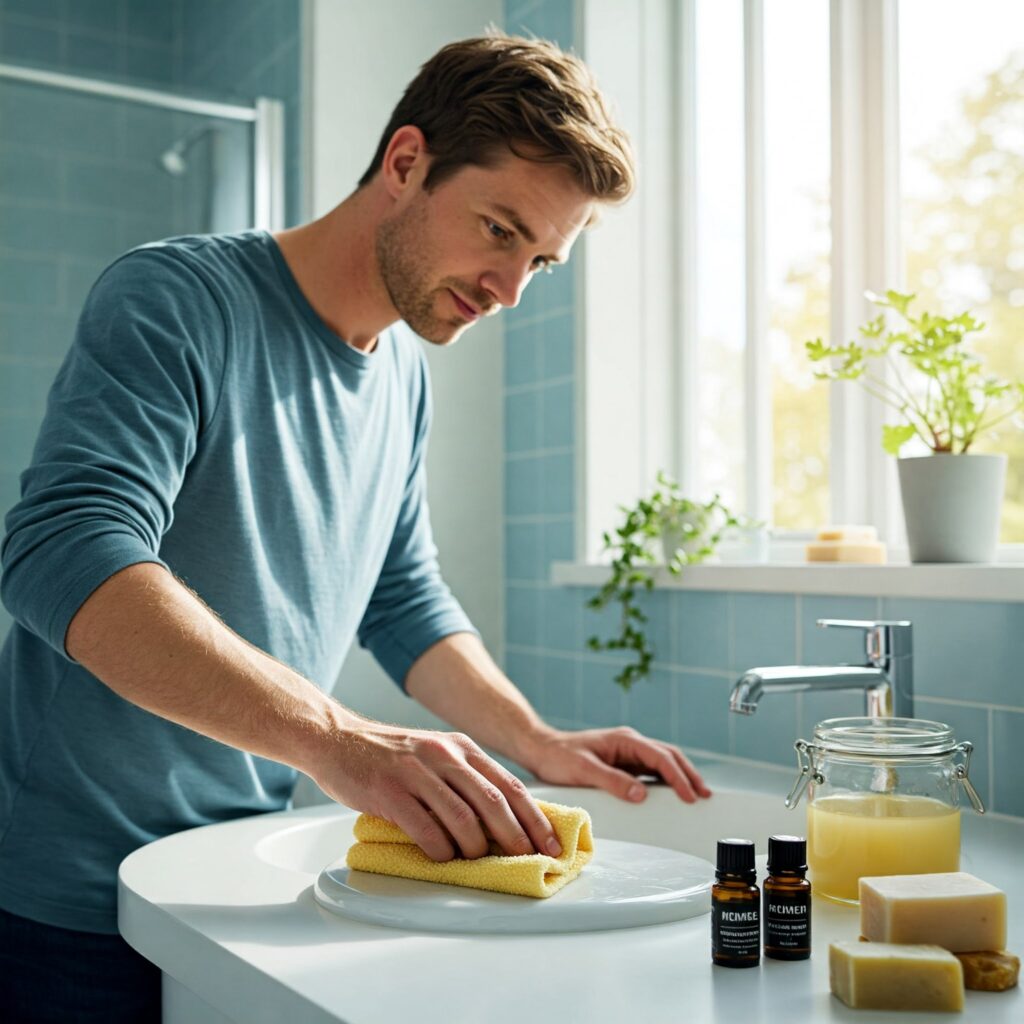
So, why even go through the hassle? Because the stuff we use every day – cleaners, plastics, things that make our house smell “nice” – often contains synthetic chemicals that raise some legit questions. You hear about potential endocrine disruption, meaning stuff that might mess with your hormones, impacting things like reproduction or metabolism. That alone makes endocrine disruptor avoidance seem like a smart move.
Then there are links to allergies, skin breaking out, or breathing issues like asthma getting triggered. We’re swimming in this stuff daily, often without even realizing it. And scientists are still figuring out what the long-term pile-up effect really means.
It’s not just about our bodies, either. Think about where all this stuff goes. Those cleaning chemicals can end up polluting water and air. And all that plastic packaging? It piles up in landfills and chokes the oceans. Choosing better options often means making more sustainable living choices, giving you those environmental benefit swaps too.
But honestly, for me, making these simple swaps for health is about more than just dodging potential risks. It’s about taking back control. It’s like when I decided to quit drinking – it was about saying “no, I’m not going down that road.” Choosing what comes into your home, consciously deciding what you use on your skin or around your food, it gives you a sense of power. It’s one of those simple lifestyle changes that actually makes you feel like you’re in the driver’s seat. That feeling, that peace of mind non-toxic choices bring, is one of the biggest health benefits non-toxic living offers. It’s a core part of building healthy home environment tips: take control, feel better. You can actively reduce chemical exposure daily with these decisions.
10 Simple Swaps for Health You Can Make Today (Without Breaking the Bank)
Swap #1: Plastic Food Containers for Glass vs Plastic Storage
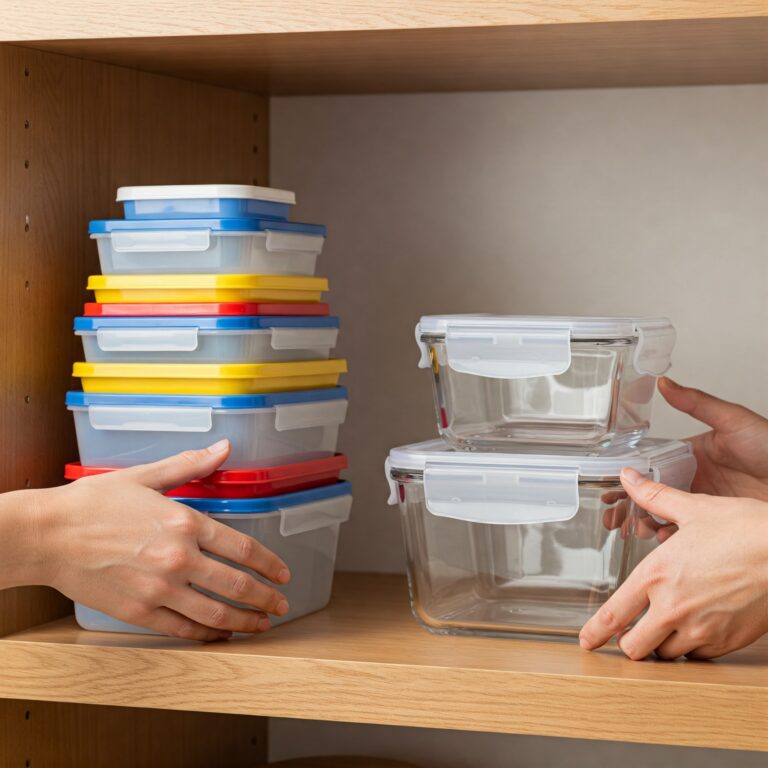
The Concern: Okay, those plastic tubs for leftovers? Super convenient, but maybe a little sketchy. Many are made with chemicals like BPA or phthalates. Studies show this stuff can actually leach out of the plastic and into your food, especially if you heat the container or store fatty or acidic stuff in it. Think about microwaving last night’s spaghetti in plastic – not ideal. Tests show this stuff is getting into our bodies. Plus, there’s the whole microplastic thing – tiny bits of plastic breaking off and ending up in your food, especially when the container gets heated, scratched, or just old. We could be eating thousands of these particles. Kind of gross when you think about it.
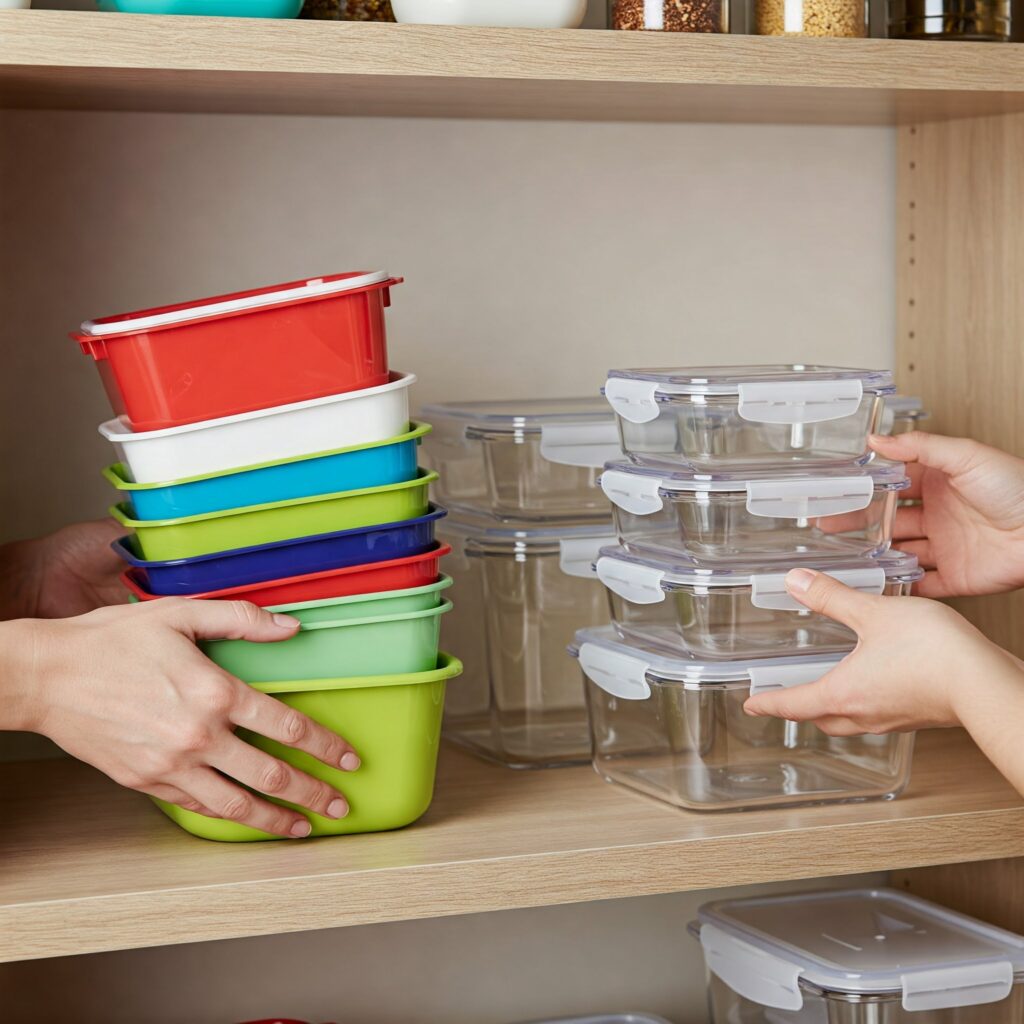
The Simple Swap: Time to look at glass vs plastic storage. Glass is the old-school champ for a reason. Grab some glass jars (seriously, just wash out those pasta sauce or pickle jars!), mason jars, or find some cheap glass containers. Glass doesn’t leach weird stuff, doesn’t hold onto smells or stains, and just feels cleaner. Stainless steel benefits are solid too – it’s tough, non-toxic, and won’t leach.
Budget Tip: This is prime territory for non-toxic living on a budget. Start by saving glass jars you already buy. Zero cost. Hit up thrift stores – you can often find killer deals on glass containers, sometimes even sturdy old PYREX. Thrifting non-toxic items like this makes it one of the easiest affordable chemical-free swaps to start with.
Swap #2: Conventional Cleaners for Safer Cleaning Products
The Concern: Ever get a headache or feel wheezy after cleaning? Conventional cleaners often blast your house with harsh chemicals and fake fragrances. They release VOCs (Volatile Organic Compounds) into the air. Big names like the EPA and the American Lung Association warn that VOCs can irritate your eyes, nose, throat, cause headaches, mess with asthma, and potentially cause long-term issues. Those “fresh scents”? Often loaded with phthalates and mystery chemicals that can trigger allergies or skin problems.
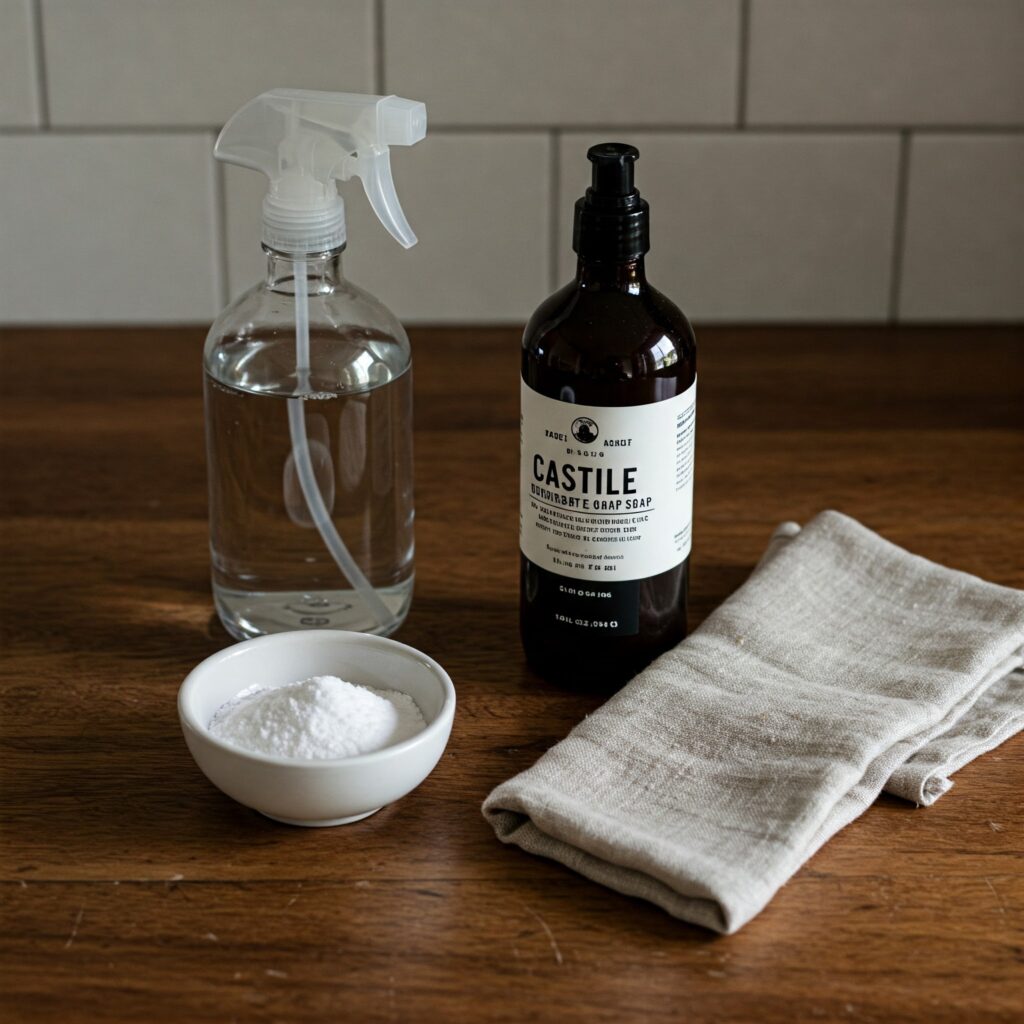
The Simple Swap: Ditch the chemical warfare and go for safer cleaning products. Seriously, simple stuff works. White vinegar (mix it about half-and-half with water) cleans tons of surfaces, glass, even some floors. Baking soda is great for scrubbing grime without scratching things up. You’re using natural ingredients to get the job done.
Budget Tip: This is how you build a budget-friendly healthy home. Vinegar and baking soda are dirt cheap, way cheaper than buying a dozen different specialized bottles. Look up DIY non-toxic cleaners and green cleaning recipes – it’s easy. The vinegar cleaning uses and baking soda cleaning uses are insane; these two things replace so much expensive crap. Huge natural living savings right here.
Swap #3: Disposable Plastic Bottles for Reusable Water Bottles
The Concern: We all know single-use plastic bottles are choking the planet with waste. But it’s not just that. Turns out, those bottles can shed tons of tiny plastic bits (microplastics and even smaller nanoplastics) right into the water you’re about to drink – maybe hundreds of thousands per liter. Yikes. Plus, chemicals like BPA can leach from the plastic into the water, especially if the bottle gets hot (like in your car) or you reuse it too much. Think about the supply chain. Your typical warehouse is not climate controlled. Pallets of water are moved from one warehouse into non-climate controlled trucks carried to another warehouse until it reaches the shelf. Those water bottles get cooked multiple times, leaching plastic.
The Simple Swap: Get yourself a solid reusable water bottle made of glass or stainless steel. These materials don’t leach chemicals or shed plastic bits. Simple, effective.
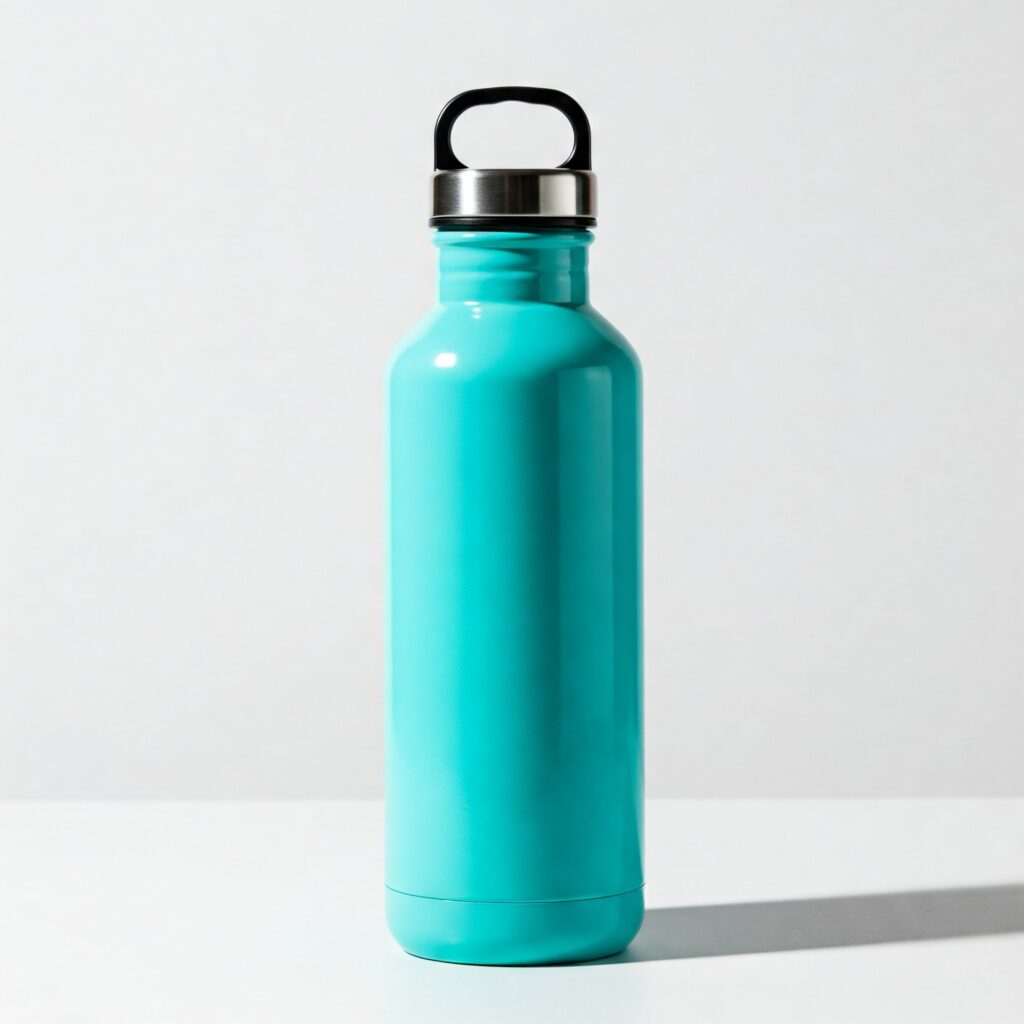
Budget Tip: Yeah, a good reusable bottle costs a bit upfront, but it’s key for cost-effective clean living. Think about how much you spend buying bottled water over time – the reusable pays for itself fast. It’s a super easy way to reduce plastic use cheaply and save money going non-toxic.
Swap #4: Dryer Sheets for Non-Toxic Laundry Solutions
The Concern: Those dryer sheets that make laundry smell “spring fresh”? They basically coat your clothes in synthetic fragrances. These fragrances can release VOCs and contain who-knows-what chemicals that can irritate skin or lungs, especially if you’re sensitive. You’re adding chemicals to clean clothes – makes no sense.
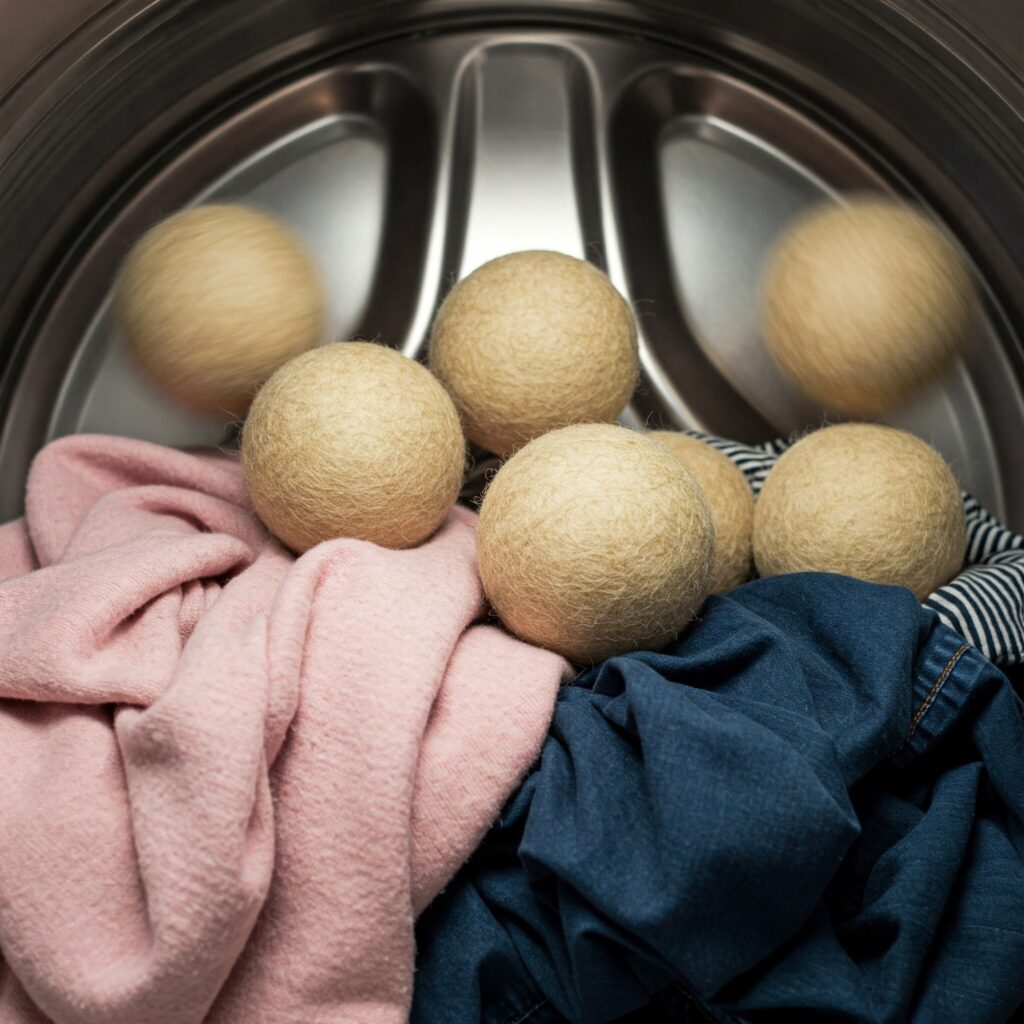
The Simple Swap: Check out non-toxic laundry solutions. Wool dryer balls are awesome. They bounce around, separate clothes so they dry faster (maybe, studies vary but worth a shot), and soften fabrics naturally just by tumbling. Enjoy the fragrance-free benefits, or if you really miss a scent, put a couple of drops of essential oil on the balls (but be careful,
some oils can be irritating or bad for pets, so use common sense and air things out). Another trick? A splash of white vinegar in the final rinse cycle acts like a natural fabric softener.
Budget Tip: Wool dryer balls are classic frugal non-toxic tips. You buy them once, and they last for ages – hundreds, even thousands of loads. Way cheaper than constantly buying boxes of disposable sheets. One of the best cheap non-toxic alternatives for laundry.
Swap #5: Synthetic Air Fresheners for Better Indoor Air Quality Improvement
The Concern: Plug-ins, sprays, those weird gel things – many air fresheners just pump synthetic chemicals into your house. They often have phthalates (to make the smell last longer) and other mystery fragrance chemicals. They add to indoor air pollution with VOCs. For some people, this means headaches, breathing problems, or allergy flare-ups. Plus, most just cover up smells, they don’t actually get rid of them.
The Simple Swap: Focus on real indoor air quality improvement. Best method? Open your windows! Let fresh air in. It’s free and it works. If you want a nice smell, use an essential oil diffuser with real, natural essential oils for home. Go easy, make sure the room is ventilated, and check if the oils are safe for pets.

Little bowls of baking soda can help absorb odors (though some argue how well it works ). Or simmer some cinnamon sticks and cloves on the stove. Smells amazing, totally natural.Budget Tip: Fresh air costs nothing. Baking soda is super cheap. Simmering spices uses stuff you might already have. These are easy low-tox lifestyle hacks that don’t break the bank.
Swap #6: Non-Stick Cookware for Less Toxic Kitchen Swaps
The Concern: That slick non-stick pan? If it gets scratched or overheated, the coating (like Teflon or PTFE) can release PFAS chemicals. You might have heard of these – they call them “forever chemicals” because they stick around in the environment and our bodies for a long, long time. Studies link PFAS to immune system issues, reproductive problems, and even higher risks for some cancers. Not exactly what you want cooking with your eggs.
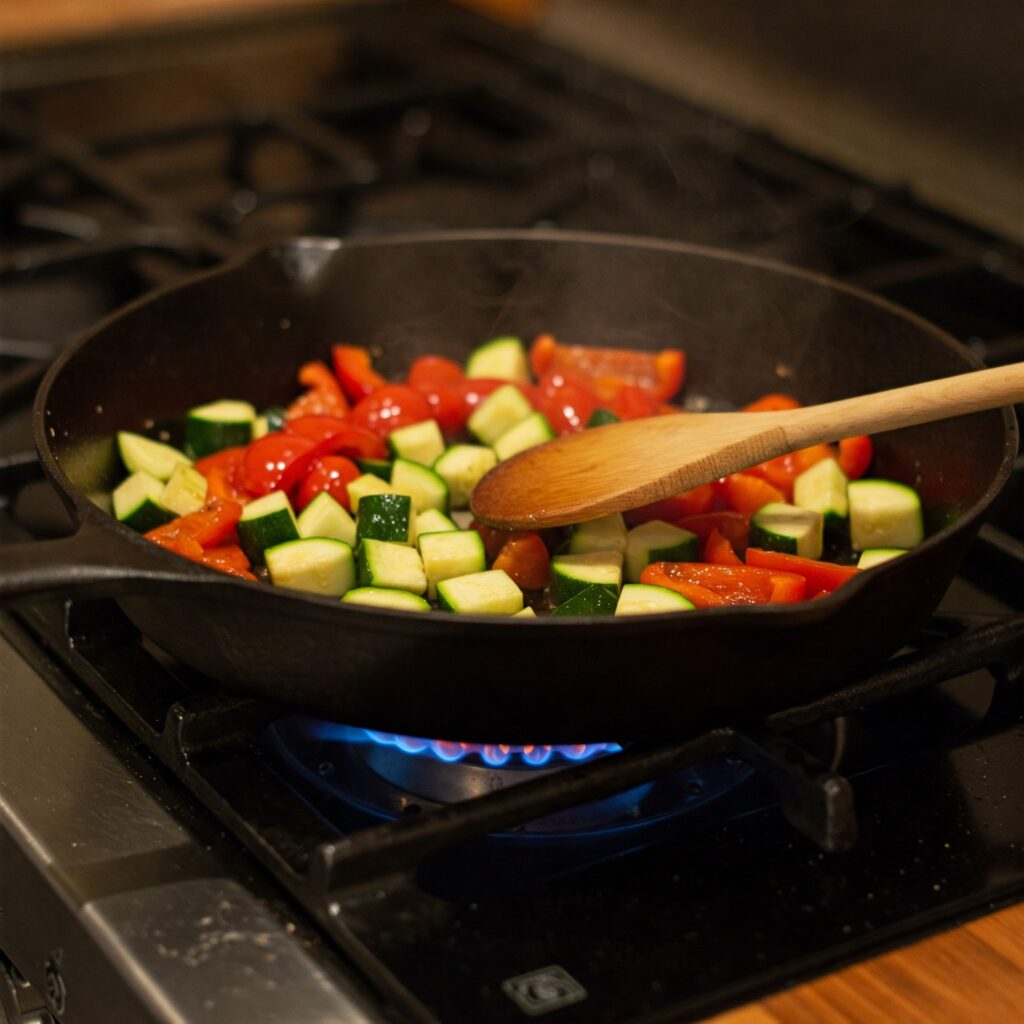
The Simple Swap: Time for some less toxic kitchen swaps. Cast iron is a beast. It’s tough, gets naturally non-stick when you season it right, and even adds a tiny bit of iron to your food. The cast iron cookware benefits are legit. Stainless steel (look for good quality like 18/8 or 18/10) is another solid choice – durable, doesn’t react with food, no coatings to worry about.
Solid ceramic or good enameled cast iron are options too, just make sure they’re certified lead and cadmium-free.
Budget Tip: Cast iron can be surprisingly affordable, especially if you find it secondhand at thrift stores or antique shops. That stuff lasts forever. You don’t need to replace everything at once. Start with one good skillet. Gradually build up your collection of healthy swaps for home as you can afford it. Helps you detox your home budget-style.
Swap #7: All Conventional Produce for Affordable Organic Choices (Strategically)
The Concern: Regular fruits and veggies can have pesticide residues left on them. Yeah, there are limits, but there’s still concern about what happens when we’re exposed to small amounts of different pesticides over time, especially ones that might mess with hormones.
The Simple Swap: Going 100% organic can wreck your wallet. Be smarter about it. Make affordable organic choices where it counts most. Focus on buying organic versions of the produce known to have the highest pesticide levels – think stuff like strawberries, spinach, kale (you can look up lists like the “Dirty Dozen” concept from groups like EWG).
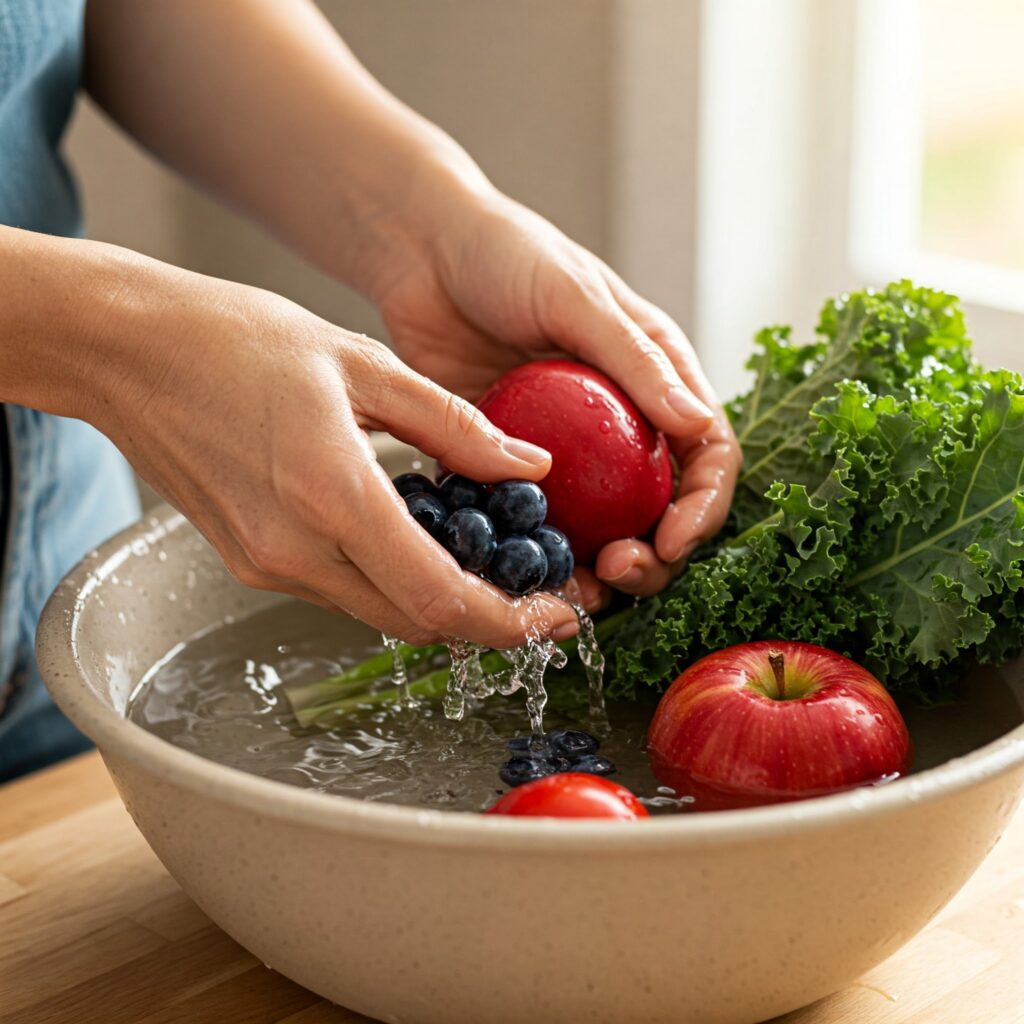
For stuff with lower residues (like avocados, onions, pineapple – the “Clean Fifteen” idea), conventional is probably fine. Always wash your produce well, organic or not. Rinsing under water helps. Some people soak veggies in water with a splash of vinegar, which might help remove some surface stuff , but it won’t get pesticides that are inside the plant , and how well washing works varies.
Budget Tip: Get the most bang for your buck with natural living savings. Spend your organic money on the high-pesticide items. Wash everything else really well. This makes healthy food swaps cheap and manageable. It’s about being strategic, like following the spirit of EWG recommendations.
Swap #8: Plastic Cutting Boards for Wood Cutting Boards (Safe & Natural)
The Concern: Those grooves your knife makes in plastic cutting boards? They’re hard to clean and can become breeding grounds for bacteria. But here’s a newer worry: cutting on plastic releases millions of tiny microplastic particles right into your food. Estimates suggest you could be eating grams of this stuff every year just from your cutting board.
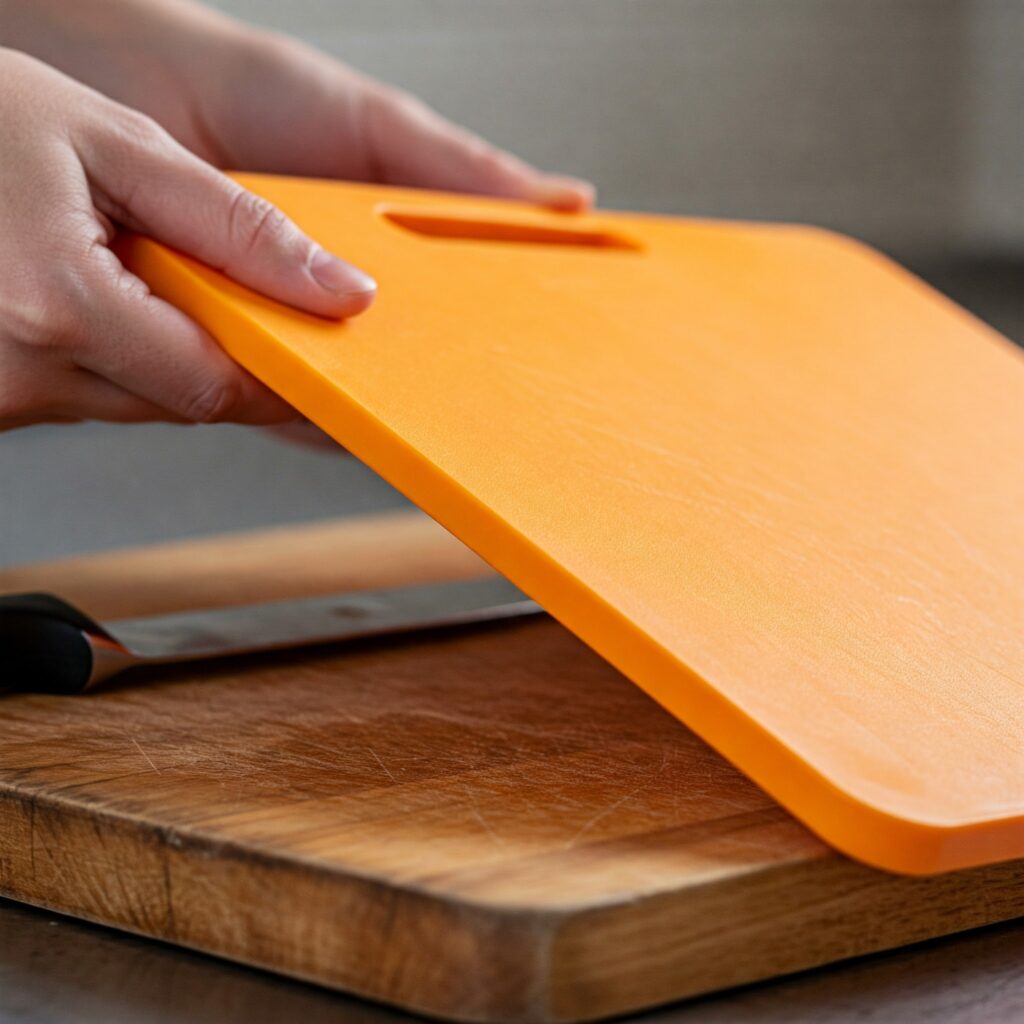
The Simple Swap: Switch to wood cutting boards safe options, like solid wood (maple is good) or bamboo. Wood actually has natural properties that can help kill bacteria as it dries. Bamboo is tough, less porous, and resists knife marks well. Even if bacteria was a toss-up between old wood and plastic studies, the microplastic issue alone makes wood or bamboo the smarter choice.
Budget Tip: Bamboo boards are usually pretty cheap. You can also score nice wood boards at thrift stores or local markets. Take care of them, and they last ages. Another one of those great inexpensive eco-friendly swaps. Consider thrifting non-toxic items like these.
Swap #9: Complex Personal Care for Simple Skincare Swaps & Non-Toxic Personal Care Deals
The Concern: Look at the ingredient list on most lotions, soaps, or shampoos. It’s often a mile long, full of stuff that can irritate skin or cause allergies. Think synthetic fragrances (which can hide dozens of chemicals, including phthalates), preservatives like parabens, or harsh detergents like SLS. Using this stuff day after day adds to your body’s overall chemical load.
The Simple Swap: Simplify! Embrace simple skincare swaps. Use basic, multi-tasking ingredients and appreciate their natural ingredients benefits. Pure liquid Castile soap works as body wash or hand soap. Coconut oil can take off makeup or moisturize (though maybe skip it if you get acne easily).
Shea butter is great for dry skin. Jojoba oil is similar to your skin’s natural oil. Beef tallow has done more for my dry skin than any other product I have ever used. Look for products with short ingredient lists you can actually recognize. Keep an eye out for non-toxic personal care deals.
Budget Tip: Aim for a non-toxic beauty budget. Using fewer products that do multiple jobs saves cash. Simple DIY stuff, like a sugar scrub (just sugar and oil) or using baking soda sometimes to really clean your hair (rinse with diluted vinegar after), is super cheap. These are practical frugal non-toxic tips and great budget bathroom swaps.
Swap #10: Buying Bottled Water by Choosing to Filter Your Tap
The Concern: We already talked about the plastic waste and the microplastics in bottled water. Plus, it’s expensive! A lot of the time, you’re just paying a huge markup for filtered tap water anyway.
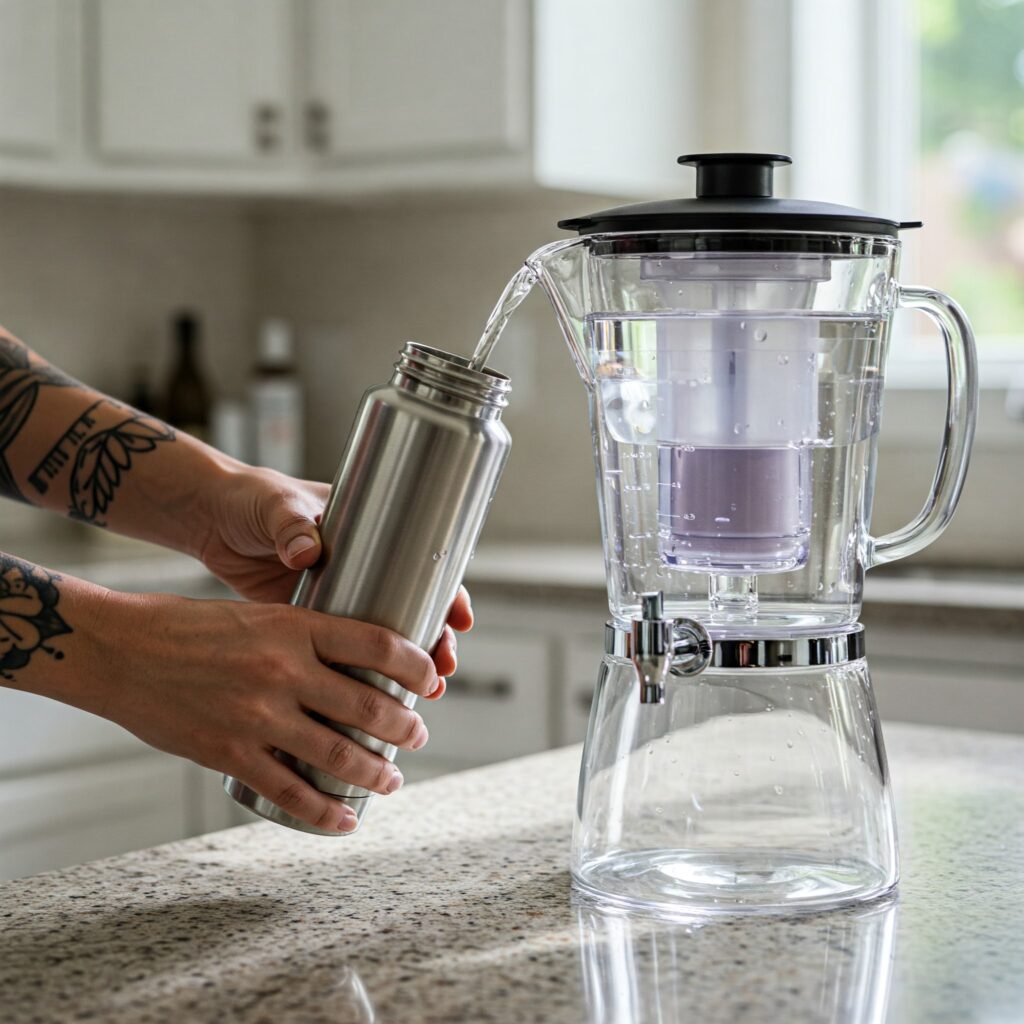
The Simple Swap: Just filter your tap water. Get a decent water filter pitcher (like Brita or PUR) or one that attaches to your faucet. They make tap water taste better by reducing chlorine and can filter out nasty stuff like lead. Look for filters certified to remove specific things you’re worried about (like NSF certification for lead or even microplastics). An RO water system is the best but may be out of budget for some people.
Budget Tip: This is one of the easiest easy non-toxic changes that saves you real money. The cost of a filter pitcher and replacement filters is way less than constantly buying bottled water. You save money going non-toxic and seriously reduce plastic use cheap. Win-win.
Making the Transition Easier: Simple Lifestyle Changes Add Up
Start Small & Prioritize Non-Toxic Swaps
Look, trying to change everything at once is a recipe for burnout. I know that feeling of being overwhelmed. Don’t do that to yourself. The key is to prioritize non-toxic swaps. Pick one or two things that feel easiest or most important to you.
Maybe focus on stuff you use all the time, like your water bottle or food containers. Or things that touch your skin a lot, like lotion or laundry soap. Or stuff you cook with. Making simple lifestyle changes one at a time makes it stick. It’s like lifting weights – you start where you are and build consistency.
Use What You Have First
Unless something is actively making you sick or you know it’s really bad news, don’t just trash everything you own. Use up the shampoo you have before buying the new stuff. Finish the cleaner under the sink.
This does two things: cuts down on waste (which feels good) and saves you money. It’s just smart. Basic frugal non-toxic tips and part of making sustainable living affordable. No need to create more trash or stress your wallet.
Become a Label Reader (Reading Product Labels Tips)
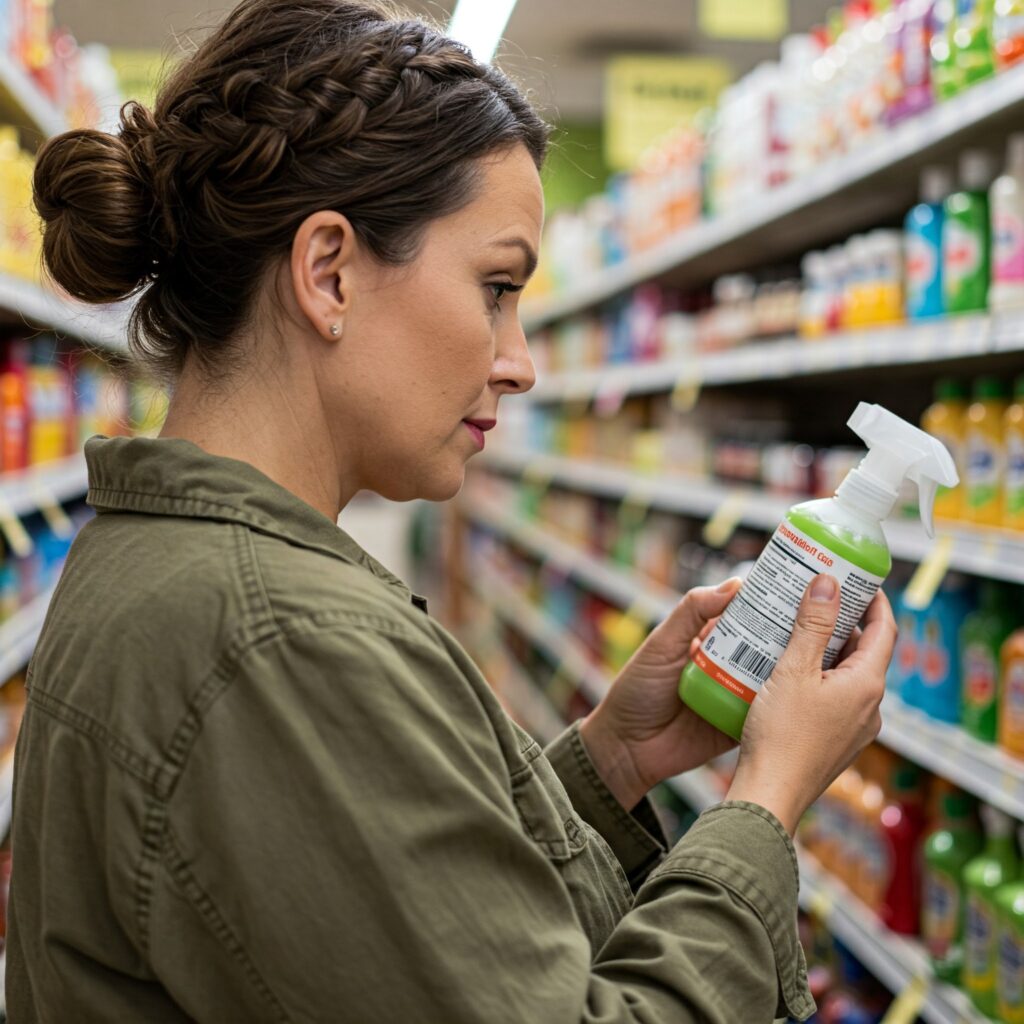
You gotta know what you’re putting in and on your body. Start actually reading the ingredient lists on cleaners, soaps, lotions, even food. It’s about avoiding hidden toxins.
Get familiar with the usual suspects: “fragrance” or “parfum” (means they don’t have to tell you what’s in it, often includes phthalates), parabens (look for words ending in -paraben), phthalates (sometimes listed as DBP, DEP), sulfates like SLS/SLES, formaldehyde-releasers (like DMDM hydantoin), and others.
It can be confusing. Use tools to help. There are databases online, like the EWG Skin Deep database, that rate products and ingredients based on health concerns. Look for certifications like EPA Safer Choice or EWG VERIFIED – they mean the product met tougher standards. These reading product labels tips help you make choices based on info, not just marketing hype. Think of it like applying EWG recommendations concepts yourself.
Table 1: Common Ingredients to Look For and Potentially Avoid
Ingredient/Term | Common Use | Potential Concerns | Notes |
Fragrance / Parfum | Scent in cleaners, personal care, air fresheners | Undisclosed chemical mixture, potential allergens, irritants, phthalates | Look for “fragrance-free” or products scented only with essential oils |
Phthalates (DBP, DEP) | Plasticizer, fragrance carrier | Endocrine disruption, reproductive effects | Often hidden in “fragrance”; avoid plastics #3 (PVC) |
Parabens (-paraben) | Preservative in personal care | Potential endocrine disruption, skin irritation | Look for “paraben-free” products |
SLS / SLES | Surfactant (foaming agent) in soaps, shampoos | Skin irritation; SLES may be contaminated with 1,4-dioxane (potential carcinogen) | Gentler alternatives exist (e.g., coco-glucoside) |
Formaldehyde-Releasers | Preservative in personal care, cleaners | Formaldehyde is a known carcinogen, skin irritant, allergen | Examples: DMDM hydantoin, quaternium-15 |
VOCs | Solvents, fragrances in cleaners, paints | Respiratory irritation, headaches, organ damage, some are carcinogens | Ensure good ventilation; choose low-VOC or VOC-free products |
PFAS | Non-stick coatings, grease-proofing | Persistence, bioaccumulation, immune effects, potential cancer risk, endocrine disruption | Avoid traditional non-stick cookware, some food packaging |
BPA | Plastic production (polycarbonate, resins) | Endocrine disruption, developmental concerns | Avoid polycarbonate (#7) plastic, canned food linings |
Triclosan | Antibacterial agent (formerly common) | Endocrine disruption, antibiotic resistance concerns | Largely phased out of soaps, but check labels |
Explore DIY & Frugal Non-Toxic Tips
Going DIY is a game-changer for affordable non-toxic living. You can make killer cleaners with basic stuff. Vinegar and water in a spray bottle? Done. Baking soda paste for scrubbing? Easy. Simple body scrubs with sugar and oil? Takes two minutes. Getting into DIY non-toxic cleaners and personal care is one of the best frugal non-toxic tips out there.
Also, find products that pull double (or triple) duty. Less clutter, less money spent. Castile soap can be your hand soap, body wash, dish soap, cleaner. Vinegar cleans surfaces, windows, and softens laundry. Baking soda scrubs, deodorizes, boosts laundry. Keep it simple. That’s smart low-tox lifestyle hacks.
And don’t sleep on thrift stores. Seriously. Thrifting non-toxic items like glass jars, Pyrex, wood cutting boards, cast iron pans – you can find amazing stuff cheap. It takes a little hunting sometimes, but it pays off.
Table 2: Simple DIY Non-Toxic Cleaner Recipes
Cleaner Type | Ingredients | Instructions | Uses | Cost Estimate (Approx.) |
All-Purpose Spray | 1 part White Vinegar, 1 part Water | Combine in a spray bottle. Shake gently before use. (Optional: add citrus peels to vinegar for 2 weeks prior for scent ) | Countertops (not stone), sinks, some floors, general surfaces | Pennies per bottle |
Glass Cleaner | 1 part White Vinegar, 1 part Water | Combine in a spray bottle. | Windows, mirrors, glass surfaces | Pennies per bottle |
Scrubbing Paste | Baking Soda, enough Water to make a paste | Mix baking soda with a small amount of water until a paste forms. | Sinks, tubs, tile grout, pots & pans (test surfaces first) | Pennies per use |
Heavy-Duty Scrub | Sprinkle Baking Soda, spray with All-Purpose Spray | Sprinkle baking soda on the surface, then spray with the vinegar/water solution. Let fizz, then scrub. | Tough grime on tubs, tile, toilets (use caution on surfaces) | Pennies per use |
Floor Cleaner | 1/4 cup Castile Soap, 2 gallons Hot Water | Mix soap into a bucket of hot water. (Optional: add 1/2 cup vinegar for extra cleaning power, but not on stone) | Mopping most floor types (avoid vinegar on natural stone) | < $0.50 per bucket |
Toilet Bowl Cleaner | 1/2 cup Baking Soda, 1 cup White Vinegar | Sprinkle baking soda into the bowl, pour vinegar over it, let sit 10-15 min, scrub with brush, flush. | Cleaning and deodorizing toilet bowls | < $0.25 per use |
Wood Polish | 1/2 cup Olive Oil, 1/4 cup White Vinegar | Combine in a jar or spray bottle. Shake well before use. Apply sparingly with a soft cloth. | Polishing and conditioning finished wood furniture (test first) | < $1.00 per batch |
(Note: Always test DIY cleaners on an inconspicuous area first. Do not use vinegar on natural stone like granite or marble. Do not mix Castile soap directly with vinegar as it can cause separation.)
Conclusion: Embrace a Less Toxic, More Empowered Life on Your Budget
Bottom line: creating a healthier space for yourself doesn’t have to be some massive, expensive project. It’s about small, consistent actions. These 10 simple swaps for health are just starting points, real ways you can begin to reduce chemical exposure daily. They’re proof that you can make changes without going broke or crazy.
There’s real power in making conscious choices. Every time you swap out a plastic container for glass, or mix up your own cleaner instead of buying the chemical cocktail, you’re taking a step. You’re investing in yourself, your health, maybe your family’s health. It brings a certain peace of mind non-toxic living offers, reinforcing those healthy home environment tips and helping with protecting family health naturally. It’s like building strength, inside and out.
Don’t get bogged down trying to do it all at once. Pick one thing. Just one swap from this list. Maybe grab some reusable water bottles this week. Maybe try the vinegar cleaner. Start there.
Remember that thought I keep in my head? “No one is coming to save you.” It sounds harsh, but it’s true for this stuff too. It’s up to you to build the environment you want. The good news is, you can. These easy non-toxic changes show that non-toxic living on a budget is totally doable. You can take control, make smarter choices, and build a healthier, more empowered life without draining your bank account. Start small, stay consistent, and own it.


